



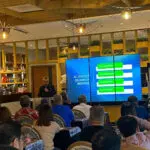
 Angeles City – In a proactive move to combat the rise of dengue cases, the Angeles City Health Office (ACHO), under the leadership of Dr. Jessie Paul M. Culang, spearheaded a comprehensive Dengue Prevention and Vector Surveillance Training for key health personnel across the city.
Held at Best Western Plus Hotel in Balibago, the training focused on enhancing the knowledge and skills of Sanitary Inspectors, Doctors, Nurses, and Midwives who play a vital role in the frontline battle against dengue. The activity is part of the city’s commitment to ensuring a well-equipped and responsive City Dengue Task Force.
The program, titled “Training of City Dengue Task Force on Dengue Vector Surveillance,” centered on three major areas: vector surveillance, prevention strategies, and case assessment. By focusing on these components, the city aims to increase its capacity to monitor mosquito breeding sites, implement proactive interventions, and effectively respond to dengue cases.
Dr. Culang emphasized the importance of continuously upgrading the capabilities of healthcare workers in the face of evolving public health threats. He stated that the fight against dengue is not only about treatment but more importantly about early detection, prevention, and community engagement.
Participants were given technical updates on the latest vector control measures, tools for identifying high-risk zones, and proper protocols for reporting and managing suspected dengue cases. Interactive workshops and scenario-based exercises were also conducted to reinforce practical application.
This initiative reflects the Angeles City Government’s strong commitment to public health preparedness. With the support of the Local Government Unit (LGU), the City Dengue Task Force is now better prepared to respond swiftly and efficiently to potential outbreaks, especially during the rainy season when dengue cases typically surge.
As dengue continues to pose serious health risks across the country, Angeles City’s focused efforts to empower its health frontliners demonstrate a model of effective local response. The strengthened coordination and capacity-building efforts pave the way for a safer, healthier community.
Source: Angeles City Information Office
